Psoriasis Treatment in Wah Cantt
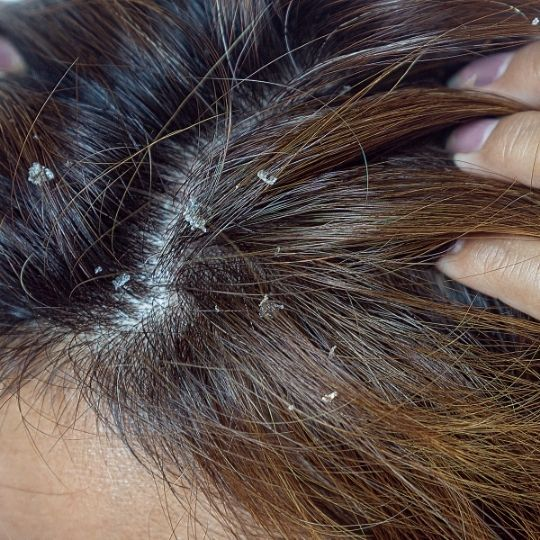
Psoriasis is a type of chronic inflammatory skin condition thatâ€s fairly common, affecting approximately 7.5 million Americans between the ages of 45 and 64, according to the American Academy of Dermatology Association.
What Causes Psoriasis?
Skin cells form constantly and are then pushed up to the surface, where they will eventually die, only to reveal new, healthy skin cells. Psoriasis causes the skin cells to grow too quickly, causing layers of skin to accumulate, forming a flaky white crust. The bodyâ€s attempt to nourish the skin causes an increase in blood flow, resulting in redness and inflammation.
There are seven types of psoriasis, including:
Pustular psoriasis Plaque, psoriasis Scalp psoriasis Nail psoriasis Psoriatic psoriasis Inverse psoriasis Guttate psoriasis Erythrodermic psoriasis
Plaque psoriasis is the most common, while pustular and erythrodermic are the most severe.

Dr Fahim Ehsan Rao
Hair Restoration and Skin Specialist
✔ More then 5 Years Experience✔ Trusted Specialist
Treatment of Psoriasis
Psoriasis treatment may include topical, oral, and injectable medications, to alleviate the symptoms of psoriasis and prevent complications.
Corticosteroids are creams that are commonly prescribed to treat psoriasis. These topical steroids help to ease discomfort and reduce inflammation. Topicals are often effective for mild to moderate psoriasis.. Other creams, such as topical retinoids, contain a synthetic form of vitamin A and help by minimizing the production of skin cells. Salicylic acid is commonly found in prescription and over-the-counter topicals used to treat psoriasis and work as a peeling agent. The use of salicylic acid can cause the top layer of skin to shed, softening and lifting psoriasis scales.
There are many other treatment options available that a medical provider will discuss with you. Choosing the right treatment will depend on many factors and may include a combined approach involving oral and topical medications.
Systemic therapy may be prescribed for patients with moderate to severe psoriasis. Systemic therapy is meant for patients who are unable to tolerate or were unresponsive topical treatments. Systemic therapy involves the use of prescription medications that work throughout the body.
Complete Treatment Details
What to Expect At Your Visit
If you decide to seek medical treatment for your psoriasis, at Altaire Clinic, youâ€ll meet with a medical provider to discuss your medical history, your symptoms of psoriasis, and go over any medications you are currently taking.
Next, a medical provider will thoroughly examine your skin and nails and discuss treatment options based on the severity of your condition. Mild and moderate psoriasis may not require treatment thatâ€s as aggressive as whatâ€s required for severe cases.
If you decide to proceed with psoriasis treatment, you will need to schedule a follow-up visit. Unfortunately, there are no one-size-fits-all treatments for psoriasis so multiple visits may be needed to help you manage your symptoms and see significant improvement.
Treatments that work well for one patient may not be as effective for another. Because of this, each treatment is personalized for every patient, based on many factors.

