Rosacea Treatments in Wah Cantt
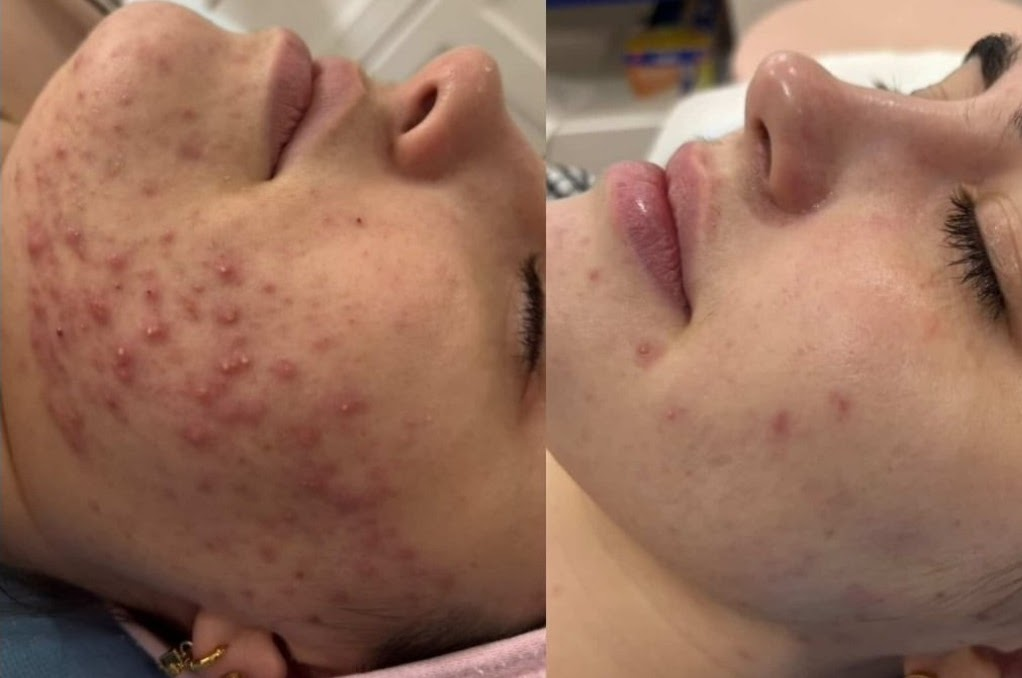
Rosacea is a chronic skin disease that affects more than 14 million people between the ages of 30 and 50. While the majority of people with rosacea are women, men can be affected by rosacea as well.
People with this skin condition usually note that their redness and skin flushing is triggered by:
Sun exposure Spicy foods Stress Alcohol Cold Certain skincare products Heat Smoking Showers Exercise
There are four types of rosacea, including:
Erythematotelangiectatic rosacea
Papulopustular rosacea
Phymatous rosacea
Ocular Rosacea
Identifying the type you have is only part of a complete diagnosis. Your medical provider will also discuss your routines and lifestyle habits to help you determine what is contributing to your symptoms.
While there is no cure for rosacea, there are many treatment options available that can improve your condition and help you control the symptoms.
Despite being a very common skin condition, the exact cause of rosacea is unknown. However, some research has shown that a combination of environmental factors and genetics can lead to this disease.

Dr Fahim Ehsan Rao
Hair Restoration and Skin Specialist
✔ More then 5 Years Experience✔ Trusted Specialist
Symptoms
Symptoms of rosacea include:
Redness in the face thatâ€s accompanied by dry, sensitive skin that may sting The appearance of skin flushing 50% of people will experience dry skin Pimples or small bumps on the face Enlarged blood vessels on the face Dry, red, swollen eyelids Enlarged nose Skin that becomes thick or coarse
Rosacea symptoms can flare up for several weeks or even months, then will subside temporarily. When left untreated, rosacea can progressively worsen.
The signs and symptoms of rosacea can range from mild to severe and will vary from person to person.
Complete Treatment Details
Rosacea Treatment & Risk Factors
Treatment for rosacea focuses on managing and improving symptoms.
Topical drugs and oral medications can be used to provide relief and help clear up rosacea in a matter of weeks. Laser treatment is another option. This treatment involves using light energy to treat redness and visible blood vessels. Dermabrasion may also be recommended to reduce tissue overgrowth.
Your medical provider can also recommend changes to your skincare routine and makeup use, to help you mask the appearance of blood vessels and redness. Additionally, itâ€s important to learn about common skin irritants you must avoid to prevent aggravating your symptoms.
RISK FACTORS. LIVING WITH ROSACEA
In some cases, mild rosacea can be difficult to spot and may present symptoms that are not very noticeable. For example, a person may observe that their skin seems to flush often, but they do not know they have rosacea. Most people will seek medical treatment once skin redness is obvious and does not go away, there are visible veins on their face, their skin becomes thicker, or the condition begins to affect their eyes, causing constant redness, irritation, and swelling.
Seeking treatment can prevent permanent eye and skin damage.
What To Expect At Your Visit?
At Altaire Clinic, we will tailor your treatment plan based on the specific symptoms youâ€re experiencing. When we meet with you, weâ€ll discuss your medical history to learn if your family has a history of rosacea, how long youâ€ve been experiencing symptoms, what possible triggers can cause flare ups, and what treatments you have tried. The more details we learn, the better we can create an effective treatment program that will meet your skin and health goals.
We will go over the common triggers of rosacea flare-ups, what lifestyle adjustments you can make to minimize your exposure to triggers, and the symptoms they can cause. We will also help you develop a skincare routine that will work for you based on the symptoms youâ€re experiencing.

